

Coffee & Crime: Real-Life Mobster Hangouts
Before there were third-wave coffee shops and artisanal pour-overs, there were dimly lit establishments where deals were made, empires were built, and legends were born. The mob didn't just appreciate good coffee: they understood the power of a great gathering place.
From smoke-filled speakeasies during Prohibition to upscale restaurants where billion-dollar decisions went down over espresso, mobsters knew that the right location was as important as the right crew. These weren't just hangouts. They were headquarters. Sacred ground. Places where respect was earned and loyalty was tested.
At Mob Crew, we're obsessed with this intersection of coffee culture and criminal legend. Not because we're glorifying the violence: but because we recognize the artistry, the tradition, and the unwavering commitment to excellence that defined these spaces.
Let's take a walk through history's most notorious mobster hangouts, where coffee wasn't just a beverage: it was part of the ritual.
Rao's: The Crown Jewel of Harlem
Operating continuously since 1896, Rao's isn't just a restaurant: it's an institution. This Italian gem in East Harlem hosted every heavyweight you can think of: John Gotti, Al Capone, Lucky Luciano. The kind of men who didn't wait for reservations.
What made Rao's legendary wasn't just the food or the company: it was the atmosphere. The unspoken rules. The understanding that certain tables were reserved, certain conversations were private, and certain traditions were sacred. Getting a table at Rao's today is still nearly impossible unless you're connected. Some things never change.
The restaurant embodied what we call "old-world excellence": a refusal to compromise, a commitment to doing things the right way, and an understanding that true quality creates its own demand. Sound familiar? That's the Mob Crew philosophy in a nutshell.
Sparks Steak House: Where Power Changed Hands
December 16, 1985. Paul Castellano, boss of the Gambino crime family, stepped out of his Lincoln in front of Sparks Steak House. He never made it inside.
John Gotti orchestrated one of the most brazen hits in mob history right there on 46th Street in Manhattan. Both Castellano and his bodyguard were gunned down in front of the restaurant, and Gotti claimed the throne.
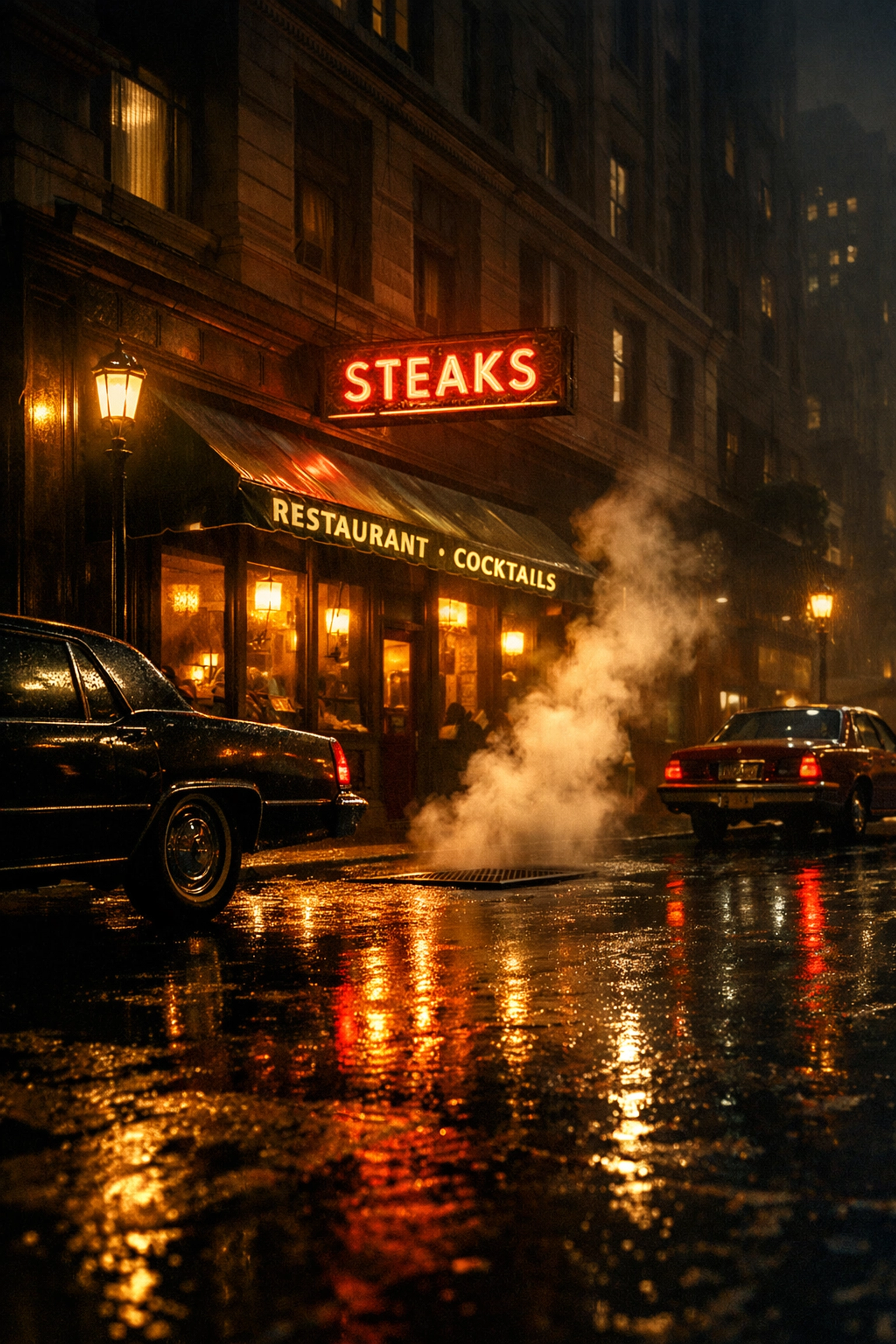
Sparks represents the brutal reality behind the romance: the moments when ambition outweighed loyalty, when empire-building required bloodshed. The restaurant still operates today, a reminder that in the mob world, even the most powerful weren't untouchable.
For coffee lovers, there's a parallel here. The industry has its own power struggles: specialty vs. commercial, traditional vs. innovative. At Mob Crew, we've chosen our side. We're building something that honors tradition while refusing to play by outdated rules.
Umberto's Clam House: A Birthday Turned Deadly
"Crazy Joe" Gallo thought he was safe celebrating his birthday at Umberto's Clam House in Little Italy on April 7, 1972. He was wrong.
In front of his wife and daughter, Gallo was fatally shot by a lone gunman who burst through the door. The assassination became instant legend: brutal, public, and impossible to forget. Umberto's continues operating under the same name, forever marked by that violent night.
The lesson? In the mob world, there was no such thing as a day off. No moment when you could let your guard down. Every dinner, every coffee, every casual conversation carried weight.
The Green Mill: Capone's Prohibition Playground
Chicago's Green Mill wasn't just a jazz club: it was Al Capone's personal speakeasy during Prohibition. While the rest of America pretended alcohol didn't exist, Capone was serving top-shelf liquor in underground lounges accessible through hidden tunnels.
Capone understood something fundamental: people want quality, and they'll go to extraordinary lengths to get it. When the government banned alcohol, he didn't stop serving: he just got more creative about delivery.
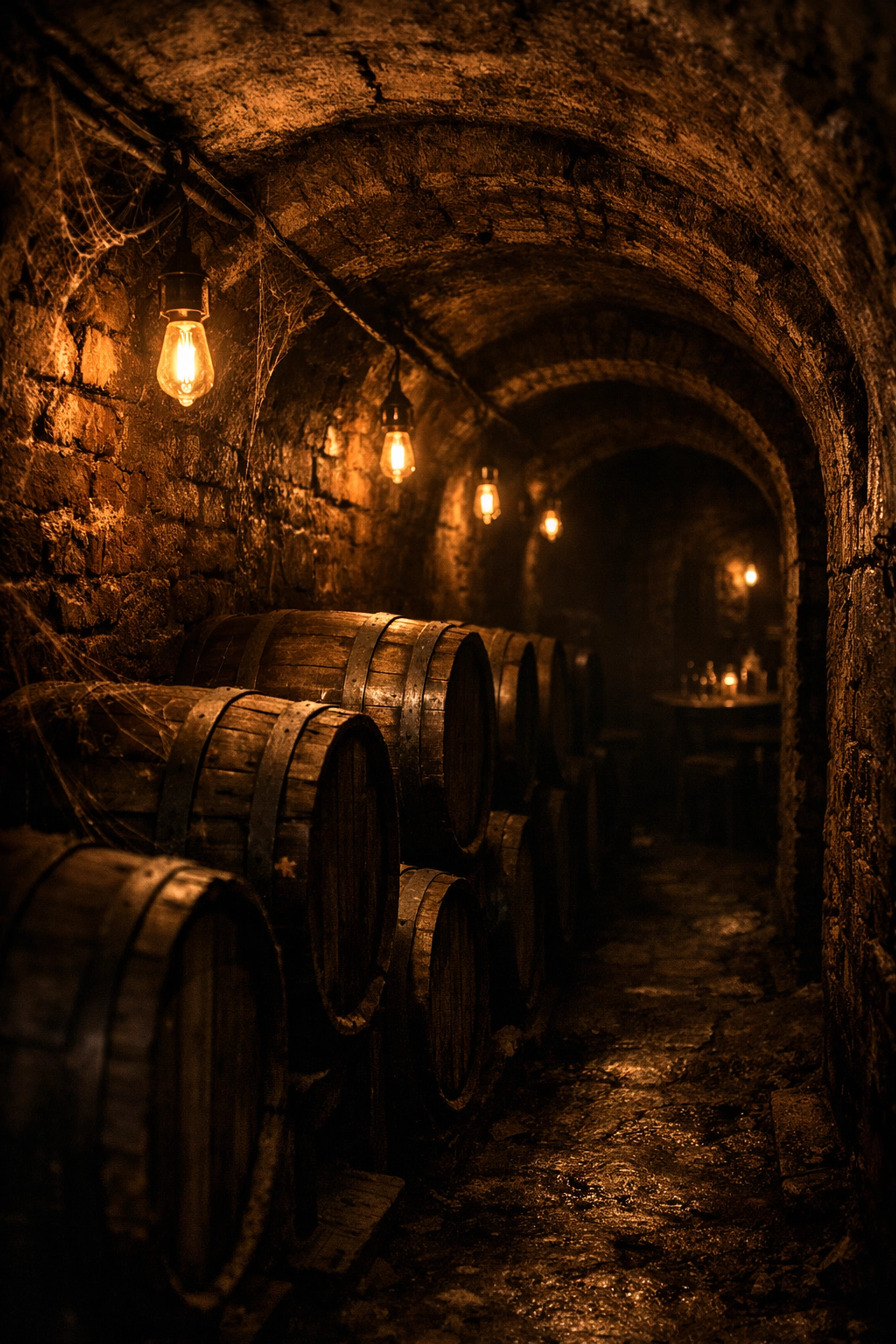
The Green Mill still operates today, complete with the original booth where Capone sat to survey his empire. Those tunnels? Still there, a testament to the ingenuity required when you're building something the establishment doesn't approve of.
At Mob Crew, we channel that same rebellious spirit. We're not running from the law, obviously: but we are challenging the tired, corporate coffee culture that dominates the landscape. We're building something authentic, something with roots, something that refuses to be homogenized.
The Ravenite Social Club: Where the Walls Had Ears
John Gotti made the Ravenite Social Club in Little Italy his headquarters, conducting business from a nondescript storefront that looked innocent from the outside. Inside? Empire operations.
The FBI eventually wired the club and an upstairs apartment, recordings that contributed to Gotti's downfall. The Ravenite proved that even the most careful operations could be compromised: that in the digital age, privacy was becoming a luxury the mob could no longer afford.
The club represented the tail end of an era. The old ways: meeting face-to-face, conducting business in person, trusting in physical spaces: were giving way to surveillance, wiretaps, and federal task forces with unlimited resources.
Triangle Social Club: The Last Great Mafia Club
Owned by Genovese crime family boss Vincent "the Chin" Gigante, the Triangle Social Club operated until 2011: making it one of New York's last authentic mafia social clubs.
Gigante was famous for his act: wandering around Greenwich Village in a bathrobe, muttering to himself, pretending to be mentally unfit. All while running a criminal empire worth millions. The Triangle was his base of operations, where the "crazy" act stopped and the real work began.
The club's closure in 2011 marked the end of something: not just mob operations, but a certain kind of space. Places where loyalty meant something. Where your word was your bond. Where coffee was served strong, conversations were conducted in low tones, and outsiders knew better than to wander in.
Piero's: Vegas Glamour Meets Mob Muscle
Operating since 1983, Piero's in Las Vegas was featured in Casino and remains one of the city's most legendary mob-connected establishments. Unlike the dingy social clubs of New York, Piero's offered glamour: the Vegas version of mob culture, where the money was cleaner and the violence was (usually) kept behind closed doors.
Vegas mobsters understood presentation. They knew that perception shaped reality, that the right atmosphere could transform a simple meal into an experience. That's hospitality at its finest: creating spaces where people feel like they're part of something exclusive, something special.
What We Can Learn from Mobster Hangouts
These legendary establishments shared certain characteristics:
- Unwavering standards – Quality wasn't negotiable
- Loyalty above all – Regular customers were treated like family
- Atmosphere mattered – Every detail contributed to the experience
- Tradition was sacred – Old ways were honored and preserved
- Discretion was expected – What happened there stayed there
Sound like any coffee shop you know?
At Mob Crew, we've built our brand on these same principles. We're not just selling coffee: we're creating a culture. A space where quality is non-negotiable, where customers become family, where tradition meets innovation.
Our four families: DeAngelo, Delberto, Renzo, and the Scarface Cartel: each represent different aspects of this legacy. Different approaches to excellence. Different philosophies about what makes coffee worth drinking.
The mob understood that the best businesses weren't built on transactions: they were built on relationships. On trust. On delivering excellence so consistently that customers became loyal soldiers in your cause.
That's the legacy we're carrying forward. Not the violence. Not the crime. But the unwavering commitment to quality, the respect for tradition, and the understanding that great coffee: like great mob hangouts: creates its own mythology.
The legends of Rao's, the Green Mill, and Umberto's live on not because of what happened there, but because of what they represented: spaces where excellence was the only currency that mattered.
Welcome to the family. Your table's waiting.